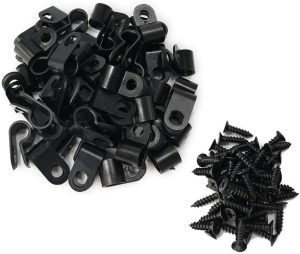
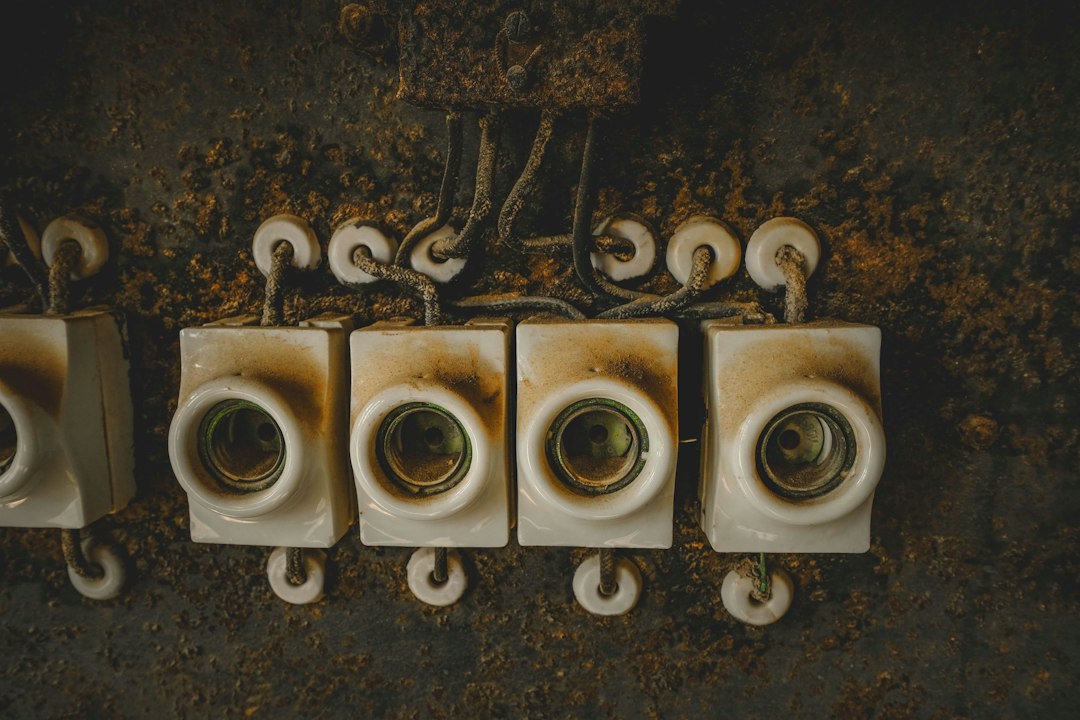
Choosing the right wiring accessories for your project can seem daunting, especially with the myriad of options available on the market today. Whether you are a seasoned electrician or a DIY enthusiast, understanding the essentials of wiring accessories is crucial for ensuring safety and functionality. This guide will walk you through the key considerations and steps to select the best wiring accessories for your needs.
Understand Your Project Requirements
The first step in selecting the right wiring accessories is to clearly define the requirements of your project. Consider the type of installation you are undertaking, whether it is residential, commercial, or industrial. Each setting has specific needs regarding voltage, current capacity, and environmental factors that can influence your choice of wiring accessories.
Additionally, take into account the specific devices and appliances that will be connected to the wiring. This includes understanding their power ratings and any special requirements they may have. By gathering this information upfront, you can make informed decisions that will lead to a successful installation.
Choose Quality Materials
When it comes to wiring accessories, quality should never be compromised. Opt for products that are made from durable materials and meet industry standards. High-quality wiring accessories not only ensure safety but also enhance the longevity of your installation.
Look for certifications and ratings on products, such as UL or CE marks, which indicate compliance with safety standards. Investing in reputable brands can save you time and money in the long run, as they are less likely to fail or require replacement.
Consider Compatibility
Compatibility is a critical factor when selecting wiring accessories. Ensure that the accessories you choose are compatible with the existing wiring and devices in your project. This includes checking the gauge of the wire, the type of connectors, and the overall design of the accessories.
Using incompatible accessories can lead to poor connections, increased resistance, and potential hazards. Always consult product specifications and, if necessary, seek advice from professionals to ensure that all components work seamlessly together.
Evaluate Environmental Conditions
The environment in which your wiring accessories will be installed plays a significant role in your selection process. Factors such as moisture, temperature fluctuations, and exposure to chemicals can affect the performance and safety of wiring accessories. For instance, if you are working in a damp area, consider using weatherproof or moisture-resistant accessories.
Additionally, think about the potential for physical damage. In high-traffic areas or industrial settings, using robust and impact-resistant accessories can prevent costly repairs and ensure safety. Always assess the environmental conditions before making your final choices.
Step-by-step plan:
Step 1: Define the requirements of your project by assessing the type of installation and devices involved. Step 2: Choose high-quality materials that meet industry safety standards. Step 3: Ensure compatibility with existing wiring and devices to avoid connection issues. Step 4: Evaluate environmental conditions to select appropriate accessories for durability and safety.